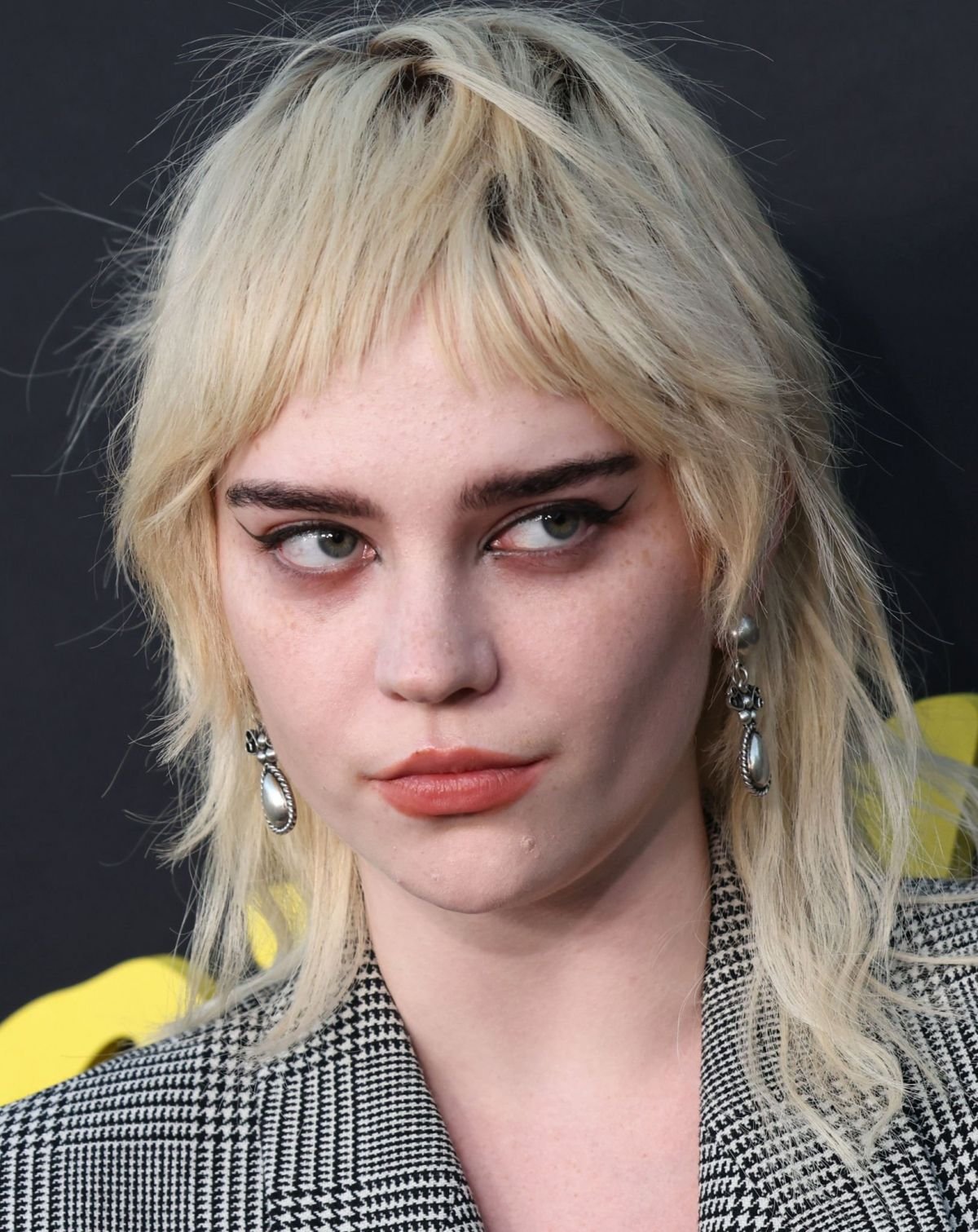
Sophie Thatcher's haunting portrayal of young Natalie in Yellowjackets has captivated audiences, and naturally, fans are curious about everything from her acting choices to her personal style – and, of course, Sophie Thatcher eye color. Are they truly the striking blue we see on screen? Let’s dive into what makes those eyes so memorable.
At a Glance: Understanding Sophie Thatcher's Eye Color
- Discover the specific shade of blue that defines Sophie Thatcher's eyes.
- Explore how lighting and makeup can influence how her eye color appears.
- Understand how her eye color contributes to her overall on-screen presence.
- Get insights into the genetic factors that determine eye color.
- Debunk common misconceptions about eye color variations.
The Exact Shade: A Closer Look at Thatcher's Blue Eyes
Sophie Thatcher’s eyes are a captivating shade of blue. While it's tempting to say "just blue," closer observation reveals a nuanced color. They appear to be a light to medium blue, often described as a clear, almost icy blue. This clarity contributes significantly to her expressive performances, allowing a subtle vulnerability to shine through.
How Lighting Plays Tricks: The Chameleon Effect
Eye color isn’t static; it can shift subtly depending on the lighting conditions.
- Bright sunlight: Under strong sunlight, Thatcher's eyes often appear a brighter, almost electric blue.
- Indoor lighting: In dimmer, indoor environments, the blue might seem softer, taking on a slightly grayer or more muted tone.
- Stage lighting: On set, professional lighting can enhance the vibrancy of her eye color, making them appear even more intense.
This chameleon-like quality adds to her versatility as an actress. The way her eyes reflect light helps to convey different emotions and nuances in her characters.
Makeup Magic: Accentuate and Enhance
Makeup artists often use specific techniques to highlight and intensify Sophie Thatcher eye color.
- Complementary colors: Using eyeshadows in warm browns, golds, or even subtle oranges can create a striking contrast, making her blue eyes pop.
- Eyeliner choices: Dark eyeliner, particularly black or deep brown, frames the eyes and enhances their clarity. Lighter browns can soften the look while still providing definition.
- Mascara application: Volumizing mascara not only adds definition to the lashes but also draws attention to the eyes themselves.
These subtle enhancements contribute to the overall aesthetic, particularly in her roles where visual impact is key, like her portrayal of Becky in The Boogeyman.
The Genetics of Blue: Where Does It Come From?
Eye color is a fascinating result of genetics. The amount of melanin (a pigment) in the iris determines eye color.
- High melanin: Brown eyes
- Medium melanin: Green or hazel eyes
- Low melanin: Blue eyes
Blue eyes are a result of a genetic variation that reduces the amount of melanin in the iris. The scattering of light through the iris creates the blue appearance, similar to how the sky appears blue. Both parents must carry the gene for blue eyes for their child to likely have blue eyes, though the inheritance patterns can be complex. Given Thatcher's background, it's safe to assume that at least one of her parents carries the gene for blue eyes.
The Impact on Her Performance: The Power of the Gaze
Eye color plays a subtle yet significant role in acting. The clarity and intensity of Sophie Thatcher eye color contribute to her ability to convey deep emotions without saying a word.
- Vulnerability: The light blue shade can project a sense of innocence and vulnerability, making her characters more relatable.
- Intensity: In more dramatic roles, the same eyes can convey a piercing intensity, drawing the audience into the character's inner turmoil.
- Memorability: Distinctive features like eye color contribute to an actor's overall memorability, helping them stand out in a competitive industry.
Her breakthrough role in Yellowjackets showcased her ability to use her eyes to communicate complex emotions, solidifying her status as a talented actress. If you're also curious about her physical stature, you might find additional context in Sophie Thatcher's Height Revealed.
Debunking Myths: Eye Color Realities
Several misconceptions surround eye color. Let's clear up some common ones:
- Myth: Blue eyes are weaker than brown eyes. Reality: There's no scientific evidence to support this. Eye color doesn't determine eye health.
- Myth: Eye color can change dramatically with mood. Reality: While lighting can affect appearance, eye color doesn't actually change due to emotions.
- Myth: If both parents have blue eyes, the child will definitely have blue eyes. Reality: While likely, it's not guaranteed due to recessive genes and complex inheritance patterns.
Practical Playbook: Making Your Eye Color Pop
Whether you have blue eyes or not, here are some tips to enhance your natural eye color:
For Blue Eyes:
- Warm Eyeshadows: Use shades like bronze, copper, or peach to create contrast.
- Brown Eyeliner: Soften the look with brown eyeliner instead of harsh black.
- Highlight the Inner Corner: Apply a light, shimmery shadow to the inner corner to brighten the eyes.
For Brown Eyes: - Cool Eyeshadows: Opt for shades like blue, purple, or green to bring out the richness of brown eyes.
- Gold Eyeliner: Add a touch of gold eyeliner to the lower lash line for a subtle shimmer.
- Experiment with Mascara: Try colored mascara, like burgundy or navy, to enhance the depth.
For Green Eyes: - Purple Eyeshadows: Use shades of purple, plum, or lavender to complement green eyes.
- Bronze Eyeliner: Bronze eyeliner will make green eyes sparkle.
- Rose Gold Highlight: Apply rose gold highlighter to the brow bone for a radiant look.
For Hazel Eyes: - Neutral Eyeshadows: Stick to neutral shades like brown, beige, or taupe to enhance the natural variations in hazel eyes.
- Green Eyeliner: Use green eyeliner to bring out the green tones in hazel eyes.
- Champagne Highlight: Apply champagne highlighter to the cheekbones for a luminous glow.
Quick Answers: Common Questions About Eye Color
Q: Can contacts change my eye color dramatically?
A: Yes, colored contacts can significantly alter your eye color. You can choose from subtle enhancements to completely different shades. Always purchase contacts from a reputable source and consult with an eye care professional for proper fitting and usage.
Q: Is it possible for eye color to change over time?
A: In infancy, eye color can change significantly in the first few years as melanin production develops. However, for adults, drastic changes in eye color are rare and should be checked by a doctor. Subtle shifts can occur due to age or medical conditions but large shifts are not normal.
Q: What’s the rarest eye color?
A: Green eyes are considered the rarest, followed by hazel. Brown is the most common eye color worldwide.
Q: Does ethnicity determine eye color?
A: Yes, ethnicity plays a role. Blue eyes are more common in people of European descent, while brown eyes are prevalent in African, Asian, and Latin American populations.
Actionable Takeaways: Unleash Your Inner Star
Understanding Sophie Thatcher eye color allows us to appreciate the subtle details that contribute to her on-screen presence. Whether you're an aspiring actor, a makeup enthusiast, or simply curious about genetics, there's something fascinating about the science and artistry behind eye color.
Here’s a quick self-assessment to help you apply what you’ve learned:
- Identify Your Eye Color: Look in a mirror under natural light. What specific shades and tones do you see?
- Experiment with Makeup: Try different eyeshadows and eyeliner colors to see what enhances your eye color the most.
- Consider Lighting: Notice how different lighting conditions affect the appearance of your eyes.
- Consult a Professional: If you're unsure about the best makeup techniques for your eye color, consider seeking advice from a makeup artist.
By paying attention to these details, you can unlock your own unique beauty and express yourself with confidence.
